Thursday, April 8, 2010

Pantry Makeover - 6 Easy Steps

"Your kitchen is a reflection of the way you eat and the way you feel about food." - Peter Walsh

Let's be honest...what's in the pantry and fridge often makes or breaks fitness and wellness goals. There are plenty of saints and sinners that hang out in the fridge but it is the pantry where we are most likely to be derailed. That's where we keep most of the processed, junk and other so-called foods. Or not. Sometimes it is what is not in the cupboard that keeps us from actualizing our best selves.

An activity that has been beneficial to Doug and me as we move towards whole health has been pantry makeovers. We do them about once a year, incorporating new wisdom or foods that aid us in eating more nutritiously. Here's an outline for the process...

Pre Make Over

If you do not own them already, purchase glass or plastic containers to aid in organization. The Container Store is organizing porn. Here you will find all the cabinet organizing, food storage, stools, cleaning, etc that will make your pantry worthy of a Real Simple photo shoot.

If you're on a tight budget or saving the planet, repurpose a variety of jars. Jars that hold vegetable juice, sauerkraut, pickle and applesauce jars are roomy enough for containing beans, rice, nuts and homemade granola. Ziploc bags can also be used.

If your cabinets or pantry needs new shelve liners or a fresh coat of paint, you will also want to get these supplies ahead of time.

You want to have all your organizing and improvement supplies on hand before you begin the makeover.

1. Empty The Entire Pantry

Whether you have a couple of cabinets and a spice rack or a walk in, completely empty the spaces where your store pantry items. Every single item gets removed.

Deep clean every surface. If you are painting or making other improvements, now is the time to do them.


2. Systematize Pantry Items

Group like items with one another. I really love organization so I have a category of canned goods and a sub-category of various canned tomatoes. I keep bags of nuts in a basket. Dried fruits are next to the nuts. Supplements, which includes vitamins and protein powders, take up a shelve. Starches such as rice, quinoa and pasta share space as does my miscellaneous baking supplies.

3. Purge

Only items that support your fitness and well being get to return to the pantry. Brown bag anything that is unopened for donation to the food bank. Unacceptable foods that are opened go in the trash.

You know what foods are unacceptable. White sugar and flour. Anything containing unpronounceable ingredients, additives, sugar, etc. Convenience foodstuffs.

4. Contain Foods

Now it is time to place foods in clear containers. Anything in packaging that becomes messy (beans) when opened or needs protection against pests (flour) go into containers or ziploc bags.

5. Fill The Pantry

Place items you use most frequently in cabinets or on shelves most easily accessible. For me, that's my oils, vinegars and spices that I use to cook with every day. Baking supplies are on the lowest shelve since I rarely make bread or cake. My appliances are on the top shelve and I have a stool standing by to make it a breeze to pull down the crock pot or ice cream maker when needed.

If you live with others, share with them your system. One, you want everyone in the house to be able to find what they need. Two, you want everyone in the house to put things back where they found it.


6. Resupply

Likely, you have purged items that you need to find more real or whole alternatives for. If you pitched white sugar, replace it with xylitol. Now that the white rice is gone, it is a great time to try quinoa. Instead of boxed cereal, buy a bag of steel cut oats. Help yourself with the ability to fix nutritious meals for you and your family by taking this opportunity to fill the pantry with nutritious ingredients.

Depending on the size of your kitchen and the amount of people being fed in your kitchen, a pantry makeover could take a few hours or a weekend. Enlist the assistance of a friend or a nutritionist if the job seems to big to tackle on your own.

Once you tackle your pantry makeover, you will be amazed. You will find new motivation to stick to your fitness and wellness aspirations. You will be supported by having consciously chosen the foods that remain for planning for nutrition needs and menus. You will have taken another step towards eating real, natural and whole foods.

For more information on fitness nutrition, including pantry makeovers and menu planning, or Pilates services in Palm Harbor FL, visit my website, www.carolynbellpilates.com, or email me at carolynbellpilates@gmail.com.

Tuesday, March 16, 2010

5 Simple Strategies For Whole Food Nutrition

Those who care about what they look like when they start shedding clothes this summer are attentive to their diet and exercise. And they have a multitude of products to help them in their pursuit of looking good naked: new and improved diet plans, cookbooks, fitness magazines and Team Body infomercials just to name a few.

A friend of mine recently enlisted my help with getting her wellness program established. Although I want to unload all that I have learned about nutrition, I know simplicity is appropriate. Although all the resources we can buy can help educate, motivate and entertain, we all already know how to eat. We just need reminding sometimes.


The guiding principle in nutrition is that we eat real, whole foods. Seems basic enough. But anyone pushing a cart in their local supermarket can have trouble finding the real and whole foods among the 40,000 industrial food items for sale. These days, I feel as if my blood is thickening in my veins just walking through the aisle to buy tissue paper from being in such close proximity to all the food stuffs laden with corn, soy and sweeteners.

After the guiding principle, the 5 simple strategies for whole food nutrition are:


1. Eat every 2-4 hours. Rather than 3 squares, try eating 5 smaller meals at regular intervals. This will cut out snacking, which can derail diet good intentions. Ultimately, you want to be mildly hungry when you eat a meal rather than ravenous. What helps me most with this method is to pack a cooler type lunch bag when I'm on the go. This way, I always have a nutritious smoothie shake after a workout or meal for break during a workshop.


2. Eat a bit of protein with every meal.
My goal as well as goals for friends and clients is to improve body composition. That means more muscle mass and less body fat. The body requires adequate protein to build muscle. Besides just the meats and fish we typically associate with "protein", servings should also include eggs, dairy such as greek style yogurt, vegetarian sources from plant and soy and protein supplements such as whey protein.


3. Eat plenty of vegetables and fruits with every meal. Fruits and vegetables are alkalizing, therefore they balance the acidity of proteins and grains. Plant foods are nutrient dense, which means they are highly nutritious per calorie. Our diets need to be composed of fruits and vegetables, especially leafy greens, in abundance.


4. Earn your simple carbohydrates. Commit to eating simple carbohydrates only after exercise and you will find this approach is a pivotal in succeeding where you have previously failed. After exercise, the body can best handle the ingestion of foods that raise glucose levels quickly in the blood. These include things such as breads, potatoes, rice, pasta and sweet foods. Of course, these foods should be eaten minimally even after exercise. At the very least, eat these things along with your protein and complex carbohydrates to slow the insulin response to them, thereby avoiding these foods being metabolized and stored as body fat.


5. Get a daily dose of healthy fats. Dietary fats provide us the most energy density of the macronutrients. Consuming healthy fats is critical for optimal health. And our fat consumption needs to be distributed between saturated (animal, coconut), monounsaturated (olive, nut, avocado) and polyunsaturated (flax, fish, nut and vegetable) fats.

Wednesday, March 10, 2010

The Body Fat Solution

Doug and I started the year with a goal: reduce body fat and increase muscle mass. So far, I can celebrate a 4% point decrease. Doug's results are even more dramatic, about 10%.

New exercise science studies reveals that consistent levels of cardio for 30-60 min isn't doing us the good we thought. Interval training and methods such as Tabata are proving to burn more body fat and more efficiently (15-30 min).

One of the best selling books on fat loss is The Body Fat Solution.


"The only thing necessary for most people to succeed was a handful of daily behaviors and a shift in mind-set."

"If you have more body fat than you want, it is because you've been consuming too many calories."

"Whole, natural foods will be the secret to your success."

"The results you get will come in direct proportion to the effort you invest."

"You can either make excuses or get results, but you can't do both."

"The real issue is compliance."

"You can only receive in direct proportion to what you give."

"To shed fat, you must create a calorie deficit."

"Increase your energy expenditure or decrease your food consumption."

"Even healthy, nutrient dense food will cause weight gain if you eat too much of it."

"One of the best times to consume your starches, higher calorie carbs and simple sugars is immediately after your workout."

"90% compliance approach is far more effective than allowing an entire cheat day."

"Any time you reduce your calories, you run the risk of losing lean body mass along with the fat. Adding resistance training helps you maintain your muscle when your calories are low."

"With diet alone, you may end up with nothing more than a smaller version of your old self."

"Even the best workout can't compensate for a lousy diet."

"Everything helps or hurts, nothing is neutral."


Sunday, February 21, 2010

Soil Bag Planting

I am experimenting with two methods for my suburban garden in Las Vegas: container and soil bag. Soil bag gardens are as simple as they come.


How to plant in a potting soil bag
:


1. Determine the bottom side of your bag. Punch drain holes into the bag then flip it over.

2. Cut an opening into the soil bag, leaving high enough sides to retain the soil.

3. Break up and even out the soil.

4. Transplant nursery plants into the soil bag. I used the Square Foot Garden method to determine plant spacing. Finish your project with watering.

I used a smaller square method for my Japanese eggplant and yellow squash. Mainly I wanted to try it...this is recommended for planting tomato plants. In the side slits, I planted garlic cloves pointed side up. You can use the slit variation for lettuces also.

I used 2 c. ft bags of GroWell Soil, which is a special mixture of 1/3 compost, 1/3 peat moss, and 1/3 coarse vermiculite (no dirt needed) known as Mel's Mix. Take this composition to your nursery and ask for the potting soil that most resembles it.

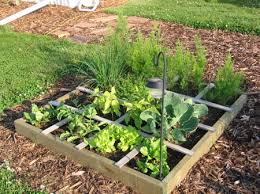
Their biggest detractor as far as I can see is the ugliness of the bags. As the plants grow, the bags will be less visible. My cousin, Katherine, uses hers to plant under trees where the root system doesn't let her dig and covers them with mulch. If the bags put you off, you can always invest in some grow bags. A solution Doug came up with was to build a frame for them, shown above. Here's another example of an attractive, sturdy box for the bags.

I have arranged my bags in a sunny spot close to my water source. Care for plants is a bit easier than row gardening. Because of the drainage, you are less likely to over water. If using Mel's Mix or something similar, no need to fertilize. Otherwise fertilize once a month.

I have green leaf and romaine lettuces, arugula, swiss chard, cabbage, broccoli, zucchini, eggplant, garlic and squash planted in my bags. With a bit of luck, I will have a delicious harvest to take to the kitchen. With a trip to the nursery for plants and soil and a few hours of planting, you could have your own harvest, too.

Saturday, February 20, 2010

Not Your Nana's Container Garden

My dad is a row gardener. He plants over a half acre each growing season and I am in awe and overwhelmed when I tour his garden. I admire his self sufficiency and envy the year round bounty of healthy produce.

As a novice, the expertise and back breaking work of row gardening has held me back. With the resurgence of victory, urban and suburban gardens, the science of what one can grow on a window sill, patio and tiny backyard makes it easier than ever for anyone to enter into the gardening foray.

Container and no dig gardening appeals to me. Once you have acquired your plants, soil and containers, your garden can be planted in a few hours.

Last year, I planted a container garden. I had a lot of success with my herbs. The tomatoes and peppers did great until the blackbirds noshed on them just before time to harvest. We were in the middle of installing a raised bed garden when we relocated so I have no idea about how that might have turned out.

This year, I reestablished my containers and am trying my hand at planting directly in soil bags. In my research, I have been astounded at the ingenuity others exhibit growing gardens for very little investment in very little space. If a garden can thrive on a Chicago rooftop or in soda bottles on a dorm balcony, surely the rest of us can find a way to grow nourishing foods for ourselves, neighbors and community.

Take a look at some of the creativity of container and no dig gardens...


Square Foot Box Raised Bed


Plastic Swimming Pool


Soil Bag


Whole Foods Bag


Plastic Bottle


Straw Bale


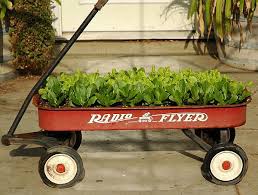
Re-purposed Containers

Friday, February 19, 2010

5 Natural Sweeteners

Doug and I are making progress on our goals to build more muscle and lose fat. Our physical training programs and my candida/yeast diet restrictions prompted us to remove the last amounts of offensive white and brown sugar from our pantry and foods we purchase.

Here are 5 sweetening options that are low to medium on the gylcemic index (GI). Several are allowed for diabetics and those on diets such as mine.


Agave Nectar - GI 15-30

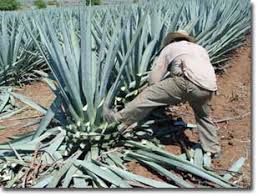
Also known as agave syrup. It is expressed from the agave plant and is a blend of fructose and glucose. Ratios vary from manufacturers so glycemic indexes do as well. Make sure your brand is relatively low in glucose, such as Wholesome Sweeteners Organic Blue Agave, and is minimally processed with heat.

Agave nectar is about 1.5 times sweeter than sugar and is a great substitution for natural and artificial syrups and processed honeys. Agave nectar dissolves quickly so works well when sweetening cold beverages such as tea or margaritas.

This sweetener is the new darling of food manufacturers. It is now an ingredient in soy yogurts, salad dressings and coconut milk ice creams. I try to keep in mind that the food industry likes to use the cheapest ingredients possible, so they are likely using higher levels of glucose in their products. It is better to buy a low glycemic nectar and add it to your plain yogurt or make your own frozen dessert.


Xylitol - GI 7-13

Xylitol is a sugar alcohol that naturally occurs in foods such as berries and corn husks as well as birch trees. It is safe for diabetes and hyperglycemia sufferers and pregnant or nursing moms. It is thought to prevent dental decay so is used in toothpastes and gums such as Trident. Studies suggest Xylitol may control oral candida and prevent the weakening of bones or progression of osteoporosis.

Some people can experience laxative or other intestinal issues with high sugar alcohol consumption.

Xylitol replaces sugar 1 to 1 with about 30% less calories. I use is as my sugar substitute in recipes. I also find xylitol packets convenient to carry in my purse.


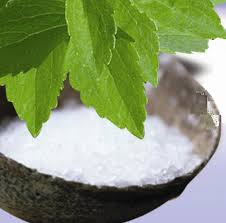
Stevia - GI 0

Derived from the stevia plant, herb varieties can be up to 300 times as sweet as sugar. It hangs around a while and has what some people consider to be a strong aftertaste. It has zero calories.

Stevia was considered unsafe by the FDA as a food additive, although Japan consumes 40% of the stevia on the market. In 1995, stevia was approved as a diet supplement. Some studies suggest stevia is helpful in treating obesity, glucose tolerance and high blood pressure. Other reports show dangers related to male reproduction, cancer and energy metabolism.

Most recent brands, Pruvia for example, are blending stevia with sugar alcohols such as erythritol, making a better tasting sweetener. Like agave nectar, stevia is beginning to show up in commercial food products.


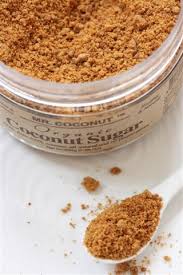
Coconut Sugar - GI 35

A recent arrival on the natural sweetener scene, this sugar is made from coconut palms. I found it first granulated but it is also available in a liquid. It reminds me of brown sugar and, having a high burn temperature, is good for baking. It is more nutritious than other sweetening options with traceable amounts of potassium and magnesium.


Raw Honey -GI 30

Processed honey has a glycemic index around 60, almost as high as table sugar. Eat raw honey and you reduce the glucose impact by 1/2 and it becomes low glycemic. Raw honey is honey that has not been heated or otherwise processed, leaving its vitamins and enzymes intact. Raw honey contains bits that make it more nutritious also, such as bee pollen, honeycomb and propolis.

Alkalizing benefits of raw honey include aiding in digestion and counteracting acid indigestion. Best of all, enzymes in raw honey help predigest starchy foods such as bread.

Other

Sugar Cane Juice - 43, Organic Sugar - 47, Black Strap Molasses 55, Table Sugar 65.
Glucose is 100. We should eat below 55. Brown Rice is 55. Rice Cake is 80.

Eventually, the goal would be to eliminate all sweetening additives from our diet. I am not there yet. With options such as agave nectar, raw honey and coconut sugar, I can be a bit indulgent without routinely my raising blood sugar levels into unhealthy and dangerous levels. Perhaps you can too.

Monday, February 15, 2010

Inconvenient Truth Indeed

When I was young, scientists warned the next ice age was practically upon us. So when those same scientists began predicting "global warming", I had my doubts. By the time Al Gore got around to his prize winning Inconvenient Truth, my skepticism was growing as I witnessed people from all walks of life having a conversion born of the apocalyptic predictions.

Nowadays, I can no more believe the scientific community to predict climate change than I can a rural preachers predicting the rapture. Frankly, they both seem to be selling the same thing: redemption for believers.

Mark Landsbaum at the Orange County Register rounds up the recent global warming advocate scandals:

ClimateGate – ... thousands of leaked documents from Britain's East Anglia Climate Research Unit showed systematic suppression and discrediting of climate skeptics' views and discarding of temperature data... if, as global warming defenders contend, the "science is settled?"

FOIGate – ... East Anglia committed a crime by refusing to release global warming documents sought in 95 Freedom of Information Act requests.

ChinaGate – ...Chinese weather station measurements not only were seriously flawed, but couldn't be located. "Where exactly are 42 weather monitoring stations in remote parts of rural China?" ..."how much of the warming seen in recent decades is due to the local effects of spreading cities, rather than global warming?" ...researchers covered up the missing data for years.

HimalayaGate – ... he intentionally exaggerated when claiming Himalayan glaciers would melt away by 2035 in order to prod governments into action. ...admitted it was "speculation" lifted from a popular magazine.

PachauriGateR. Pachauri, the IPCC chairman who accepted with Al Gore the Nobel Prize... 'fessed up, Pachauri admitted to making a mistake.

PachauriGate II – Pachauri also claimed he didn't know... ... prominent science journalist said he had pointed out those errors in several e-mails and discussions to Pachauri, who "decided to overlook it."... Pachauri says he was "preoccupied." ...Pachauri's India hoped to wrench billions from countries like the United States to combat global warming's melting glaciers.

SternGate – One excuse for imposing worldwide climate crackdown has been the U.K.'s 2006 Stern Report, an economic doomsday prediction commissioned by the government. ... "some of these predictions had been watered down because the scientific evidence on which they were based could not be verified." Among original claims now deleted were that northwest Australia has had stronger typhoons in recent decades, and that southern Australia lost rainfall because of rising ocean temperatures.

SternGate II –...Stern Report misquoted his work to suggest a firm link between global warming and more-frequent and severe floods and hurricanes. Robert Muir-Wood said his original research showed no such link.

AmazonGate – ... the IPCC claim that global warming will wipe out rain forests was fraudulent, yet advanced as "peer-reveiwed" science. ... based on an unsubstantiated claim by green campaigners ..." "authored by two green activists" and lifted from ... environmental pressure group. The "research" was based on a popular science magazine report.

PeerReviewGate – The U.K. Sunday Telegraph has documented at least 16 nonpeer-reviewed reports (so far) from the advocacy group World Wildlife Fund that were used in the IPCC's climate change bible, which calls for capping manmade greenhouse gases.

RussiaGate – ... evaluated thousands of documents and e-mails leaked from the East Anglia research center and concluded readings from the coldest regions of their nation had been omitted, driving average temperatures up about half a degree.

Russia-Gate II – ... tree-ring data from Russia indicated cooling after 1961, but was deceptively truncated and only artfully discussed in IPCC publications.

U.S.Gate –... The U.S. National Climate Data Center has been manipulating weather data too... Forty years ago there were 6,000 surface-temperature measuring stations, but only 1,500 by 1990, which coincides with what global warming alarmists say was a record temperature increase. Most of the deleted stations were in colder regions.

IceGate – ... IPCC based its findings of reductions in mountain ice in the Andes, Alps and in Africa on a feature story of climbers' anecdotes in a popular mountaineering magazine, and a dissertation by a Switzerland university student, quoting mountain guides.

ResearchGate – ... climate scientist Michael Mann ... climate research impropriety. ...seriously deviated from accepted practices for proposing, conducting or reporting research or other scholarly activities."

ReefGate –...link between climate change and coral reef degradation.... IPCC cited ...but advocacy articles by Greenpeace.

AfricaGate – The IPCC claim ... cut in half agricultural yields in African countries turns out to have come from a 2003 paper published by a Canadian environmental think tank.

DutchGate – The IPCC also claimed rising sea levels endanger the 55 percent of the Netherlands it says is below sea level. The portion of the Netherlands below sea level actually is 20 percent.

AlaskaGate – ... studies largely overestimated by 40 percent Alaskan glacier loss for 40 years.